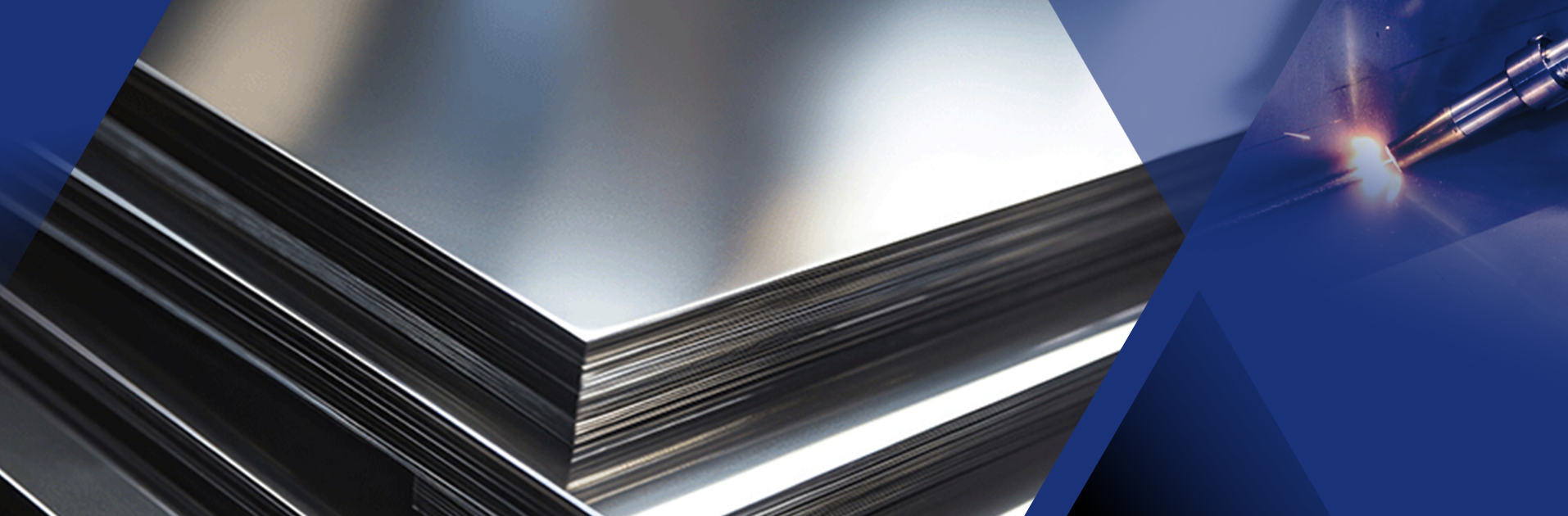
Laser welding is a versatile and precise technology that processes a wide range of materials efficiently and to a high quality.
Aluminum and stainless steel are particularly noteworthy due to their specific properties and wide range of applications.
Aluminum is a lightweight, corrosion-resistant metal that plays a key role in numerous industries such as the automotive, aerospace and construction sectors. While conventional joining techniques using traditional welding equipment place high demands on skilled workers, laser welding opens up new possibilities for achieving first-class quality thanks to its high precision and speed.


Production of body parts, frames
and structural components.

Production of aircraft parts and
structural components.

Production of façade elements,
window frames and other components.
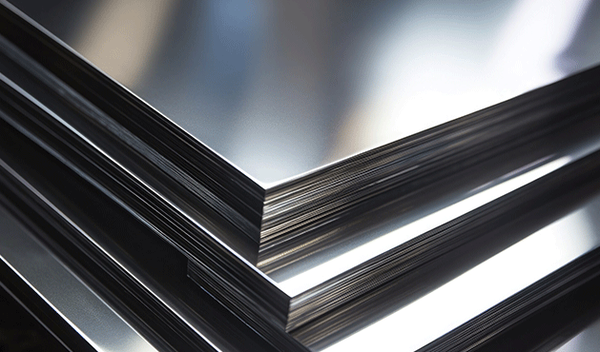
Stainless steel is an extremely versatile material that is highly valued in various applications due to its corrosion resistance, strength and aesthetic qualities. It is used in food processing, medical technology, the chemical industry and many other sectors. Laser welding is particularly impressive in areas with demanding production requirements thanks to its precision and joining technology.

Manufacture of containers, pipes
and machine components.

Production of surgical instruments,
implants and medical devices.

Production of reactors, storage tanks
and pipelines.